

Why the fee on your withdrawal screen can be confusing
When you move crypto from an exchange to a wallet, the platform may show a withdrawal fee before you confirm. It is tempting to assume that this is exactly what the blockchain charges for the transaction. Sometimes the platform calculates a fee from current network costs; in other cases it sets a fixed or periodically updated withdrawal charge. The amount deducted from your account may therefore differ from the network fee that appears on a block explorer.
To understand the total, separate the costs by who charges them and when. A blockchain network fee compensates validators, miners or other network mechanisms for processing a transaction. An exchange may charge a withdrawal fee for its service, custody and transaction handling. If you first trade or convert the asset, you may also pay a trading commission, spread or conversion charge. These costs are related but not interchangeable.
Network fee: the cost of using the blockchain
Networks need a way to allocate limited block space or computational resources. On Ethereum, a transaction uses gas, and the fee depends on gas used and the fee parameters at the time of inclusion. On Bitcoin, the fee is commonly considered relative to transaction size and fee rate. Tron uses resources such as Bandwidth and Energy. Other networks use different models. A transaction’s network fee is generally paid in the network’s fee asset, which may be different from the token being transferred.
Network fees can change as demand and resource conditions change. A simple transfer can cost differently from a smart-contract interaction. A token transfer may use more computation than a native-coin transfer; an address with particular contract state may require different resources. A wallet estimate is a forecast based on current data, not a fixed promise. The amount ultimately charged can depend on the final transaction and network rules.
Exchange withdrawal fee: a platform charge
An exchange withdrawal fee is the amount the platform displays or deducts when it sends an asset out of a custodial account. The fee may be fixed by asset and network, updated periodically, estimated from network conditions or structured to cover both a network transaction and the exchange’s processing. The platform’s terms determine the exact method. Do not infer the fee from another exchange’s schedule or a comparison article that may be out of date.
Some exchanges let users choose among several networks for the same token. The withdrawal charge can differ by network, but the lowest displayed amount is not automatically the right choice. The receiving wallet or exchange must support the exact asset and network. A cheaper route that the recipient cannot credit may lead to a much more expensive recovery process—or permanent loss. Compatibility comes before fee optimization.
Other costs that can affect the total
If you bought the crypto immediately before withdrawing, the purchase may have included a maker or taker commission, a spread between the quoted buy and sell prices, or a card or payment-method charge. If you convert one asset to another, the conversion price may include a spread even when the interface does not display a separate commission. These are trading or funding costs, not blockchain transaction fees.
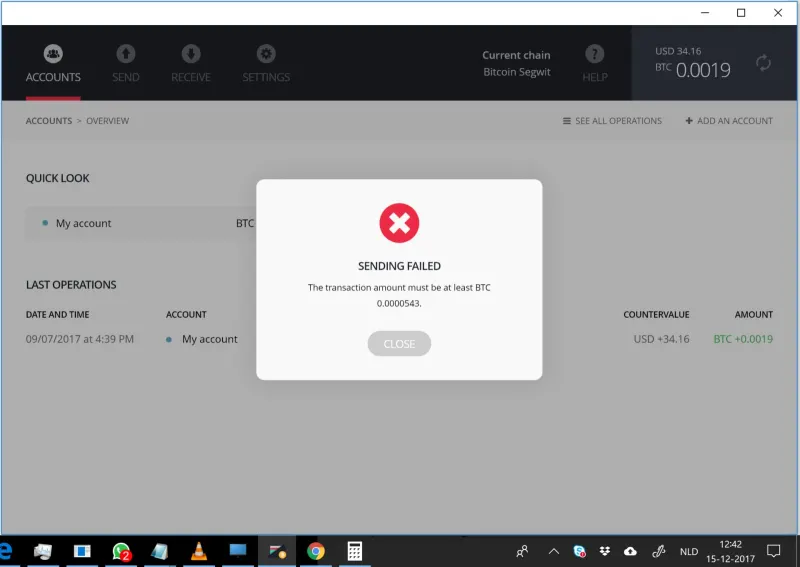
The receiving side may also impose conditions that affect what is usable. A minimum deposit can mean that a small transfer is not credited. A bridge or swap may charge its own fee and introduce smart-contract risk. A custodial exchange may pause deposits or withdrawals for maintenance. If the goal is to move crypto to another exchange, compare the amount received after all visible charges, but do not overlook network support, confirmation requirements and memo fields.
How to calculate a useful total-cost estimate
Start with the amount you plan to send and the final amount the recipient is expected to receive. Read whether the withdrawal fee is deducted from the transfer amount or charged on top. For example, if a screen says “withdraw 100 units, fee 1 unit,” determine whether the recipient will receive 99 or whether your account will be debited 101. Interfaces differ, and some show both the network amount and the fee in separate fields.
Then add costs that occur earlier in the process: trade commission, quoted spread, conversion charge or payment-method fee. If the network charges a fee separately from the platform, include it only once. The exchange’s fee may already bundle a network estimate. Avoid adding an explorer fee to a platform fee as if both were automatically charged to you; inspect the platform’s explanation and withdrawal receipt to see how it was calculated.
Compare networks only after checking compatibility
If both the sender and receiver support multiple networks for the same token, make a side-by-side comparison. For each option, note the network name, fee asset, fee amount, estimated recipient amount, expected processing and whether a memo or tag is needed. Check the destination’s current instructions, not a prior transfer. The recipient may support a token on one network but not another, even if the address format looks similar.
For self-custody, confirm that you have enough of the network’s native fee asset or resources to send. Holding USDT does not necessarily mean you can pay an Ethereum gas fee in USDT. Some networks provide sponsored or delegated fee mechanisms, but they depend on wallet or service support. Read the transaction preview and do not rely on a third-party site that promises free transfers in exchange for a signature.
Why “free withdrawal” may not mean zero cost
A platform may advertise a free or subsidized withdrawal, but there can still be costs in the trade price, conversion spread, withdrawal limits or recipient-side processing. Another platform may show a fee that appears higher but has a clearer all-in amount. The important comparison is the effective cost to complete the exact transfer, not one headline number. Look for minimums, maximums, fee tiers, account eligibility and whether promotional terms expire.
For off-chain transfers between customers of the same platform, the exchange may not broadcast an on-chain transaction and may charge no network fee. That is a different service from withdrawing to a self-custody address. Off-chain transfers rely on the platform’s internal ledger and rules; they do not provide the same independent on-chain settlement. Verify the recipient account carefully and understand the platform’s terms.
A careful withdrawal checklist
Before confirming, verify the asset, network, address and memo or destination tag. Review the withdrawal amount, fee, whether the fee is deducted or added, and the net amount the recipient will receive. Check minimum deposit rules at the destination. If the amount is significant or the route is new, consider a small test transaction while accounting for its separate fee. Recheck the final address on a trusted screen because clipboard malware and lookalike addresses can redirect funds.
Save the withdrawal receipt and transaction hash after sending. Compare the blockchain fee with the platform’s receipt if you are trying to understand a discrepancy. If the exchange says the withdrawal is complete but no transaction hash is available, ask whether it has been broadcast or is still in internal processing. If the on-chain transaction succeeds but the receiving account is not credited, investigate the deposit separately rather than assuming the withdrawal fee caused the delay.
When a fee estimate changes
The number shown before signing is based on the platform’s current fee logic. A network may become busier before a transaction is included, or a platform may refresh its withdrawal schedule. A user may also change the amount or network, which can change the final charge. The withdrawal confirmation and receipt are the best records of what the platform charged; the explorer is the best place to inspect what the network recorded.
If you see an unexpected charge, capture the confirmation screen and receipt, then contact the platform through its official support channel. Ask which portion is the platform withdrawal fee and whether it includes a network cost. Avoid posting account screenshots publicly unless identifying information is removed. Do not trust a person who offers to “refund” a fee if you first connect a wallet or send funds.
Worked example: separate the fee from the amount received
Suppose an exchange shows an account balance of 100 units and a withdrawal charge of 1 unit. The preview might mean that 1 unit is deducted from the transfer and the recipient receives 99. Another service might debit 101 units from the account and send 100 to the destination. The same phrase, “withdrawal fee,” can therefore produce a different net result. Read the amount-to-send field, fee field and account debit together; do not infer the recipient amount from a headline fee alone.
Next compare that quote with the on-chain transaction after it is sent. The explorer may show a network fee paid by the exchange’s sending wallet, but the exchange may batch several withdrawals or cover some costs from its own treasury. The on-chain fee is not necessarily charged to one customer as a separate line item. The exchange receipt is the record of what it debited from your account, while the explorer explains what the network processed.
If you traded the asset before withdrawing, keep that earlier cost separate. A trading commission and the spread in the quoted price are not part of the blockchain fee. A useful comparison is the total amount paid to obtain the asset plus the withdrawal charge and any conversion cost, compared with the amount that actually arrives. This makes two platforms easier to compare without counting a bundled network estimate twice.
## Check whether the destination charges separately
Some receiving services apply a conversion, deposit or withdrawal condition of their own. That does not change the fee shown on the sending transaction, but it can change the amount available to use. Read both platforms’ current terms, including minimum deposits and any service charges, before comparing routes. If you need a precise figure, use the final preview on the sending platform and the current fee page at the destination rather than an old online comparison.
Frequently asked questions
Is a crypto withdrawal fee the same as a gas fee?
Not necessarily. A gas or network fee is charged by the blockchain’s transaction mechanism. An exchange withdrawal fee is set or calculated by the platform and may include network costs or other service elements.
Why does the exchange fee differ from the explorer fee?
The exchange may set a fixed or estimated withdrawal charge, batch transactions, subsidize costs or include operational charges. The explorer shows the fee for the on-chain transaction itself. Check the platform’s current fee policy and receipt.
Which network is cheapest for USDT?
There is no network that is always cheapest for every sender and recipient. Fees change, and the receiving platform must support the same token and network. Compare the final quote only after confirming compatibility.
Sources and further reading
Kraken: cryptocurrency withdrawal fees and minimums · Kraken: cryptocurrency withdrawal fees and minimums · Ethereum.org: gas and transaction costs · TRON Developer Hub: Bandwidth and Energy

Comments
Loading comments…