
Why buying Bitcoin safely is more than clicking a button
The safest way to buy Bitcoin is not the one with the lowest fee or the flashiest interface. It is the process that separates custody from control, uses verified infrastructure, and protects the final move from theft or human error. A purchase can fail in subtle ways: the exchange holds your keys and may be compromised, the account is phished through a fake login page, the withdrawal address is replaced by clipboard malware, or the recovery phrase is photographed on a screen.
This guide walks through buying Bitcoin safely in 2026 with a focus on custody, verification and the final transfer to a hardware wallet when you want self-custody. The steps apply to buying from a regulated or large exchange, using a peer-to-peer method with care, or moving into a self-custody wallet.
Step 1: Decide who will hold the Bitcoin
Custody is the central risk. If the Bitcoin stays in the exchange wallet, your protection depends on the exchange’s controls, insurance, proof of reserves and incident response. Exchanges have suffered breaches, exit scams and withdrawal freezes, so a long track record, independent audit disclosures and insurance transfers are relevant signals. Self-custody keeps the private keys on your device, but it also means you are the final security layer: a lost seed phrase means lost Bitcoin.
Many users choose a hybrid approach: keep only a small amount on an exchange for liquidity and move long-term holdings to a hardware wallet. If you buy for trading, exchange custody may be acceptable; if you buy as an investment, self-custody is generally recommended.
Step 2: Choose a reputable exchange or platform
Before funding an account with real money, check that the platform is established, regulated where required, and willing to explain its security practices. Look for evidence of proof of reserves, insurance coverage, custody arrangements, cold storage percentages, withdrawal approval processes and a published security incident history. Reviews, media reports and user experiences matter, but official disclosures matter more.
Prefer platforms with mandatory identity verification, transaction limits that suit your activity, and support that you can reach through the official app or website. When comparing products, consider geography, fees, deposit methods, withdrawal fees and the ability to set withdrawal limits. A platform that cannot explain how it protects customer funds is not a place to hold significant capital.
Step 3: Secure the account before depositing
Set a unique password stored in a password manager, enable hardware two-factor authentication, and keep the recovery phrase offline in a safe place. Do not photograph the seed phrase or store it in cloud notes, chat or email. Use a hardware wallet for self-custody and verify its address through the official app or documentation before receiving funds.
Configure a withdrawal whitelist or approval process before large transfers if the platform supports it. Review the 2FA method: SMS is convenient but vulnerable to SIM swapping; hardware security keys or authenticator apps are stronger. Never share codes, phrases or keys with anyone, and beware of phishing pages that imitate the exchange. Always type the official domain or use the official app rather than following a link from a message.
Step 4: Deposit and place the purchase
Use a deposit method the platform supports and keep the receipt. For fiat, use bank or card rails the platform lists; avoid peer-to-peer transfers unless you fully understand the counterparty. For crypto purchases, use a wallet that supports the asset and a network you understand.
Place the buy order, review the final amount and fee, and confirm. If you are buying for long-term custody, plan the withdrawal before or immediately after the purchase so the funds leave the exchange promptly.
Step 5: Transfer to self-custody when appropriate
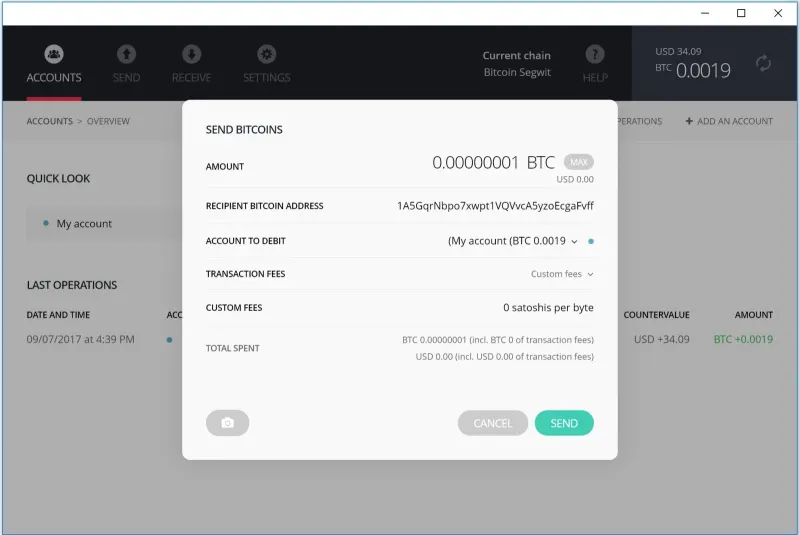
If you decide to self-custody, send the Bitcoin to your own wallet address. Create a hardware wallet, complete the setup, and verify the receiving address through the official device and documentation. Copy the address carefully, use the wallet’s official receive function, and confirm the first and last characters. Send a small test amount first when moving a significant balance.
Record the transaction hash and receipt. The transfer is irreversible once confirmed, so confirm the destination before broadcasting.
Security checklist before the first real purchase
Have you verified the platform’s custody and security disclosures? Is your account protected with hardware 2FA and a recovery phrase stored safely? Is there a withdrawal whitelist or approval process? Have you checked the official deposit methods and fees? Did you copy the receiving address or set up a withdrawal address through a trusted source? Do you have a hardware wallet for self-custody?
Buying safely also means preparing emotionally and financially: only spend what you can afford to lose, understand that Bitcoin prices can be volatile, and remember that no purchase guarantees a return.
Frequently asked questions
Is it safer to buy Bitcoin on an exchange or move to a self-custody wallet first?
Both have risks. An exchange may have strong institutional controls but can be subject to hacks or freezes; self-custody gives you control but requires the discipline to secure the seed phrase. Many users split funds between the two.
Does the exchange need my private key to sell Bitcoin?
No. An exchange sells from its own custodial wallet. You keep keys in your wallet and can send to the exchange address only when you choose. You never hand over a seed phrase.
What should I do if I suspect my account was compromised?
Disconnect access, change credentials through the official platform, review withdrawal history, and contact official support. If funds moved, act quickly and through official channels.
Planning the purchase before you buy
Before committing capital, decide the purpose of the purchase and the maximum acceptable loss. Speculation, savings, remittance or diversification all change the appropriate amount and risk controls. Write down the maximum you can afford to lose and keep it separate from your emergency fund.
Compare purchase routes. Buying BTC with fiat through a regulated exchange is common, while buying with crypto you already own through an exchange is another. Peer-to-peer purchases can reduce counterparty risk but introduce escrow and payment risk. No route is entirely risk free, and all require verification of counterparties.
Keep records of purchase dates, amounts, fees and counterparties for personal accounting and tax treatment. Different jurisdictions treat crypto gains differently, and exchange reporting may also apply. Accurate records support informed decisions and reduce disputes with providers.
What to do after the purchase is complete
After the order fills, verify the balance. For exchange custody, confirm the account balance and that the withdrawal whitelist or approval settings are respected. For self-custody, confirm the receiving address and transaction status. If you plan to move funds, do it promptly; leaving a large balance in an exchange when you intended self-custody increases counterparty risk.
What to do if the purchase or a later transfer fails
If the order did not fill, check the funding transaction status. If the withdrawal failed, review the fee and network. If the deposit did not credit, use the missing deposit workflow. If a transaction is irreversible, accept the loss and adjust the plan; no one can undo a confirmed Bitcoin transfer.
Security of the final transfer
When moving Bitcoin from an exchange to a self-custody wallet, the security of the transfer depends on the receiving process. Use the official receive function of a hardware wallet and verify the address on the device itself, then compare it with the destination from a trusted source. A withdrawal address can be changed by clipboard malware, by an attacker who compromises the interface, or by an entry from transaction history that no longer reflects current instructions. Treat any address you did not just copy from the official wallet screen as unverified.
For large amounts, send a small test transaction first and wait for it to be credited. This is not a substitute for address verification, but it reduces the blast radius of a mistaken transfer. Because Bitcoin transactions are irreversible once confirmed, a failed test is usually recoverable through the sending service; a confirmed wrong transfer is not.
After the transfer, monitor the transaction hash on an explorer. Keep the hash and the receipt. If the balance does not appear as expected, use the appropriate deposit workflow rather than guessing. Record the outcome so future purchases can be planned more accurately.
Security is not a one-time event. Review your setup periodically, test recovery, and update procedures as platforms change. A safe buying process is a habit, not a single checklist.
Review the security disclosures of the platform each year, confirm that insurance and proof of reserves information is still current, and refresh recovery instructions after any wallet or platform change. Document the final destination address and transaction hash for each purchase so the process remains repeatable.
Small, regular purchases spread over time can reduce timing risk while keeping the strategy simple and the position easier to review.
Sources and further reading
Bitcoin: securing your holdings · Bitcoin Core documentation · CoinDesk: custody and exchange coverage · The Verge: crypto security coverage



Comments
Loading comments…