
What a memo or destination tag does
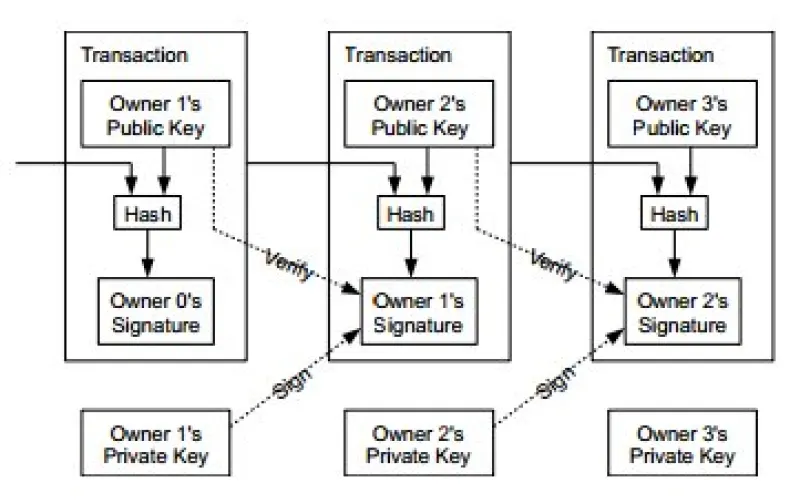
A crypto address identifies where a transaction is sent on a network. Some custodial services use one or a small number of blockchain addresses for deposits from many customers. They need an additional identifier to determine which account should receive each deposit. Depending on the asset, this identifier may be called a memo, destination tag, payment ID, message, comment or tag. It is not a password, and it does not replace the destination address. It is a routing instruction used by the receiving service.
The field is especially common in ecosystems where an exchange can receive many users’ transactions at a shared address or account. XRP Ledger uses a destination tag in many custodial deposit flows; Stellar supports memos; Cosmos chains use memos; other networks and services may use a comment or payment ID. Requirements vary by exchange and asset. The deposit screen for the exact coin and network is the authority. A memo required for one asset does not automatically apply to another, even when both are listed in the same wallet.
What happens when you leave it blank
If you send an asset to an exchange’s shared deposit address but omit a required memo, the blockchain may process the transaction normally. The exchange can see that the shared address received funds, but its automated system may not know which customer account to credit. The result is often a successful on-chain transaction and an empty or pending account balance. That is a frustrating account-attribution problem, not proof by itself that the funds disappeared.
It is not safe to promise that every missing-memo deposit can be recovered. The exchange must control the receiving address, support the asset and network, be able to identify the transaction and have a recovery procedure. A platform may require identity verification, charge a fee, set a minimum amount or decline recovery for operational or compliance reasons. A wrong network, unsupported asset, wrong address or invalid transaction is a different problem and can be much harder to resolve.
First determine whether a memo was actually required
Start with the receiving wallet’s deposit page for the exact asset. Check the selected network and read the instructions. If the deposit page shows an address and a separate memo or tag, treat both as required unless the platform clearly says otherwise. Do not rely on a saved screenshot, a past deposit or advice in a chat room; exchanges can change addresses, supported networks and procedures.
The destination matters. A personal self-custody wallet usually controls an address directly, so a memo that an exchange would require may not be needed for a personal address. The exception is when the wallet or service explicitly uses an additional routing field. A transaction sent to a personal wallet address without a memo is not the same case as a deposit sent to a custodial exchange’s shared wallet. Check the receiving wallet’s own instructions before concluding that a tag was omitted.
Verify the transfer on a block explorer
Open the sending app’s transaction details and copy the transaction hash or TxID. Use an explorer for the network selected at withdrawal. Confirm the token or coin, amount, destination address, status and timestamp. If the explorer shows the transfer failed or still pending, the issue is not yet a missing-memo recovery request; the sending service may need to explain the transaction status. If it shows success, compare the destination with the exchange deposit address from the time you sent the funds.
For networks that expose memo data, inspect the transaction details to see whether a memo or tag was included and what value it contains. Explorer labels differ, and some services do not present every field in the same way. Do not paste a seed phrase into an explorer or support form; explorers only need public transaction data. Save the hash and a screenshot of the relevant details, while keeping your account email, balance and personal identifiers private in public discussions.
What to do if the memo was missing or wrong
Contact the receiving platform using its official app or website. Search its help center for “missing memo,” “destination tag,” “deposit recovery” or “incorrect tag.” If there is a dedicated recovery form, use only the form reached from the signed-in account or official support domain. Provide the asset, network, transaction hash, amount, destination address, date and the correct tag if the platform asks for it. The exchange may request additional proof that you controlled the sending account or address.
Explain exactly what happened: whether the memo was blank, mistyped or copied from an older deposit page. A valid but incorrect tag can be more complicated than a blank field because it may point to another account or record. Do not invent a value or try random tags. A receiving exchange is the party that controls the custodial wallet’s internal mapping; a wallet maker, blockchain explorer or unrelated exchange generally cannot assign the deposit to you.
Ask what the process can and cannot do before paying any published recovery charge. Official fees may be deducted from the amount or shown in the platform’s terms. Fees, eligibility and processing times differ, so avoid relying on a forum post about a different exchange or asset. If a support agent asks for a seed phrase, private key, password or two-factor code, stop. Legitimate recovery needs transaction evidence and account verification, not secret wallet credentials.
When funds may not be recoverable
Recovery may be unavailable if the transaction went to an address the exchange does not control, used a network the platform does not support, involved an unsupported asset or fell below a recovery threshold. If the memo you entered belonged to someone else, the platform must investigate its own records and may not be able to disclose another customer’s information. A self-custody wallet usually cannot reverse a confirmed transaction simply because a memo was forgotten. The exact outcome depends on the network and wallet implementation.
If you sent from one exchange to another, the path can involve two custodians. The receiving exchange may only be able to return a misrouted deposit to the sending platform’s source address, after which the sending platform must identify the return. Ask both services through official channels what is technically possible, and keep every transaction hash. Do not promise yourself a fixed timeline; manual review can take longer than an ordinary deposit.
How to avoid the mistake next time
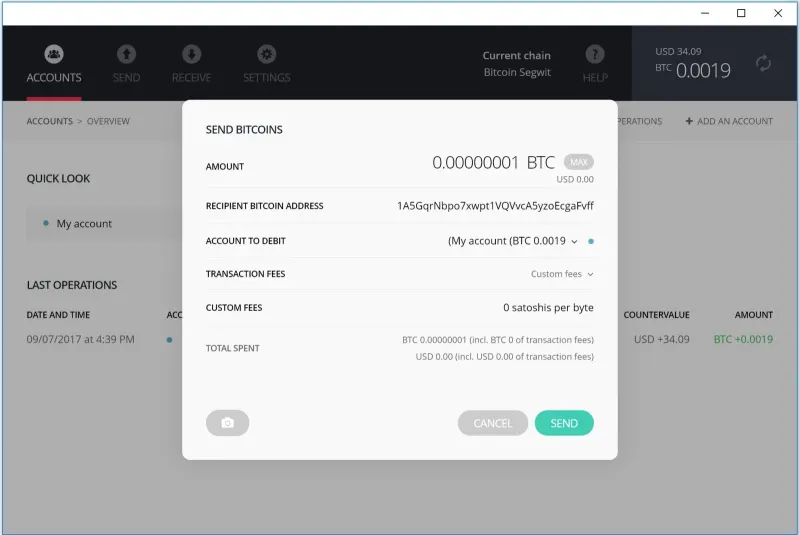
Create a fresh deposit request immediately before transferring. Read the asset name and network in full, then copy the address and memo separately using the platform’s own copy buttons. Paste both into the sending form and compare the first and last address characters. If the amount is meaningful and fees allow, send a small test transaction first and wait for it to be credited before moving the rest. A test transaction must include its own correct memo; sending a test without the tag can reproduce the same issue.
Treat address books and saved templates carefully. A saved address may remain valid while a tag changes, or the exchange may issue a new deposit address. Label each saved entry with the asset, network and whether it requires a memo. Before authorizing, review the final summary on the sending device. QR codes can include an address but may omit a separate tag if the sender’s software does not parse it correctly, so confirm the memo field explicitly.
Avoid the second loss: fake recovery offers
People who post a transaction hash online often attract fake support accounts. A scammer may claim to be an exchange employee, a wallet engineer or a blockchain investigator. Common tricks include asking for a seed phrase, instructing the victim to connect to a recovery website, requesting remote access or demanding an upfront crypto transfer. A public transaction hash does not grant control over funds, but a recovery phrase or malicious signature can.
Ignore unsolicited direct messages and verify the domain yourself. Do not trust a “support” account because it has a logo, follower count or copied help-center wording. A legitimate exchange does not need you to send crypto to an individual to prove ownership of a deposit. If you used a suspicious website, disconnecting the wallet may not revoke token approvals; review permissions separately and move remaining assets if the wallet’s secret was exposed.
Why the exchange may ask you to prove the deposit is yours
For a shared custodial address, the exchange can see that funds arrived but may have no automatic way to connect the transfer to a specific user when its routing field is missing. A recovery team may therefore ask for information that links the withdrawal record to your account, such as the sending platform, transaction hash, amount and time. This is account verification, not a request to prove wallet control by revealing your private key. A request for a seed phrase is never an acceptable recovery step.
If the transfer came from another exchange, a support team may ask for a withdrawal receipt or a short video showing the transaction inside the signed-in sending account. Share such evidence only through the official secure ticket process, and redact unrelated balances or personal data where possible. A self-custody sender may be asked for additional proof that they control the sending address, but use only the platform’s documented method. Do not sign an unfamiliar transaction or install remote-access software simply because someone claims it will speed up the review.
After submitting a request, retain its case number and keep your communication in the same verified channel. Manual recovery can take longer than ordinary deposit processing, and a support agent may be unable to promise an exact date. If the exchange says the asset or network is not recoverable, ask for the policy that applies to this specific transaction rather than paying an outside service that promises a different outcome.
Frequently asked questions
Are crypto funds lost if I forgot the memo?
Not necessarily. If the transaction reached a supported exchange address on the correct network, the exchange may be able to identify and recover it. Recovery is not guaranteed and depends on the platform’s rules, asset and transaction details.
Do I need a destination tag when sending XRP to my own wallet?
Use the receiving wallet’s instructions. Many personal XRP addresses do not require a tag, while exchange deposit addresses commonly do. Never copy an exchange tag into a self-custody wallet unless that wallet specifically tells you to.
What information should I give support?
Usually the transaction hash, asset, network, amount, destination address and approximate time. Provide identity documents only through the official secure support process if requested. Never provide your recovery phrase or private key.
Sources and further reading
Kraken Support: crypto deposit recovery · Crypto.com: missing deposits and memo recovery · XRP Ledger: source and destination tags · Stellar developer documentation

Comments
Loading comments…